
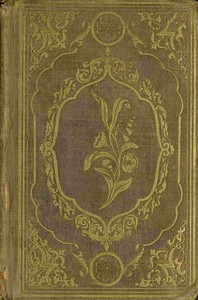
The language of flowers : The floral offering ; a token of affection and…
I picked up Henrietta Dumont's The Language of Flowers expecting a simple reference guide. What I found was a delightful little time capsule. First published in the 1850s, it captures a moment when communication was often formal and restrained, yet people found a poetic loophole through nature.
The Story
This isn't a book with a plot in the traditional sense. Think of it as a guidebook to a lost art. Dumont organizes it like a dictionary of flowers, listing each bloom alongside the sentiment or message it traditionally carried. For example, lavender means distrust, while a white lily symbolizes purity. Alongside these definitions, she includes verses and anecdotes about the practice of giving floral offerings—'tokens of affection and esteem,' as the subtitle says. The 'story' is the unfolding revelation of this complex, silent language and the social rituals that surrounded it.
Why You Should Read It
I loved this book for the way it changes your perspective. Suddenly, a walk in the garden isn't just about colors and scents; it's like walking through a field of emotions and secret messages. It's fascinating to see how cultural meanings have shifted (or stayed the same!). The book also has a gentle, earnest charm. Dumont writes with a genuine affection for her subject, and the included poems, while Victorian in style, add to the feeling of receiving a personal gift from the past. It made me think about the ways we try to communicate big feelings today, even without a formal floral code.
Final Verdict
This is a perfect little book for curious minds, gardeners, history lovers, and anyone who enjoys quirky non-fiction. If you like the idea of hidden meanings in everyday things, you'll get a kick out of this. It's also a great companion for romance writers looking for authentic period detail. It's a quick, insightful read that feels like having a charming conversation with a very knowledgeable friend from another century. Just be warned: you might start side-eyeing your next bouquet, wondering what it's really trying to say.
This publication is available for unrestricted use. Knowledge should be free and accessible.
Elijah Moore
1 year agoJust what I was looking for.
George Wright
1 year agoHaving read this twice, the pacing is just right, keeping you engaged. Highly recommended.
Carol Rodriguez
1 year agoAfter finishing this book, the emotional weight of the story is balanced perfectly. Exceeded all my expectations.








James Gonzalez
11 months agoThe digital formatting makes it very easy to navigate.